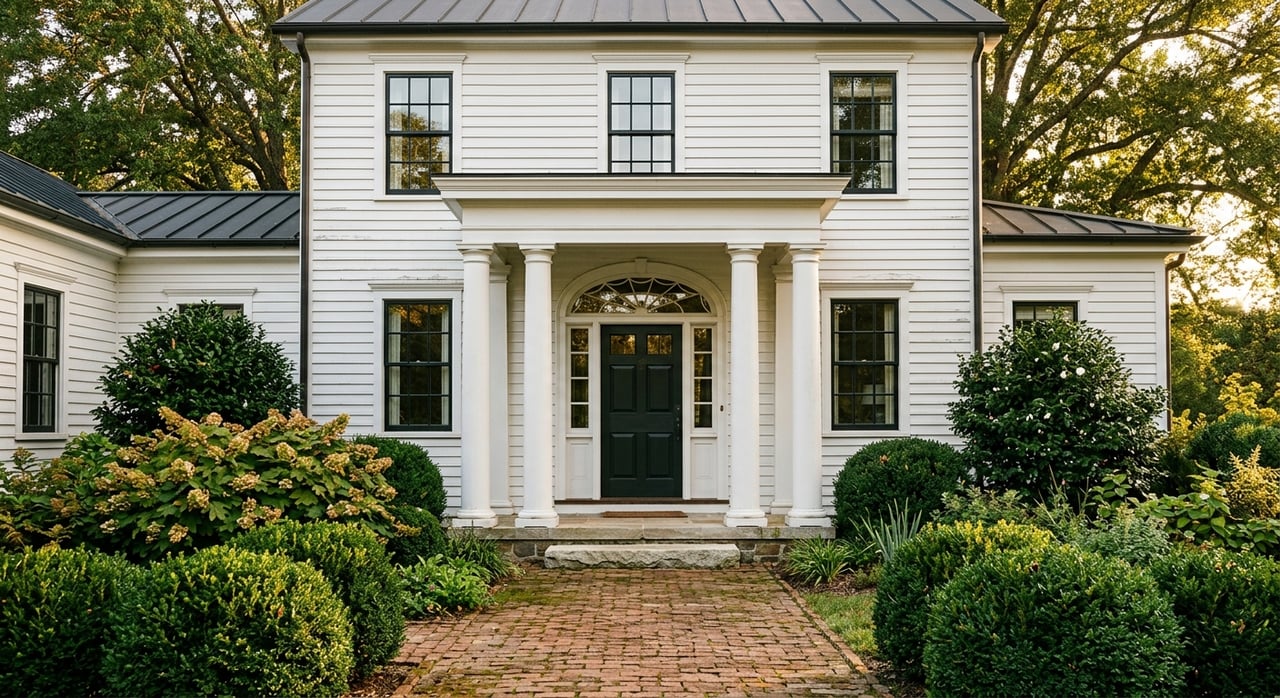
Buying a historic home in Bell Buckle can feel exciting and a little intimidating at the same time. You may be drawn to original details, deep front porches, and the character that newer homes often cannot match, but you also want to avoid costly surprises. This guide will help you understand what to check before you make an offer, what repairs and approvals may come into play, and how to plan your budget with confidence. Let’s dive in.
Bell Buckle’s Historic Appeal
Bell Buckle has a strong preservation identity, and that is a big part of its charm. The town was established in 1852 as a railroad village in Bedford County, and its historic district was listed in the National Register in 1976.
When you tour homes here, you will likely see a mix of Late Victorian, Italianate, and Arts and Crafts influences rather than one single style. Local history sources also note that many older homes survived because redevelopment slowed in the twentieth century, which helps explain why Bell Buckle still feels distinct today.
That character can be a real advantage if you want a home with craftsmanship and architectural detail. At the same time, older homes often come with different maintenance needs, renovation rules, and insurance questions than a newer property.
Check Historic Status First
One of the first things to confirm is whether the property is simply within a National Register historic district or also subject to local historic zoning or overlay rules. That distinction matters because National Register listing by itself does not automatically restrict a private owner, but local historic zoning can affect what you can change on the exterior.
In Tennessee, exterior changes in a locally regulated historic area may require a Certificate of Appropriateness. Bell Buckle’s town government includes both a Historical Commission and a Board of Zoning Appeals, so it is smart to verify parcel-specific rules before you commit.
Why this matters to buyers
If you plan to replace windows, change siding, alter a porch, add onto the home, or make other visible exterior updates, approval requirements could affect your timeline and budget. It is much better to learn that before closing than after you already own the property.
Questions to ask early
- Is the property in the Bell Buckle Historic District?
- Is it also subject to any local historic overlay or zoning review?
- Which exterior changes require approval?
- Are there records of past approvals, denials, or unpermitted work?
Review Age-Related Risks
Historic homes can be wonderful, but they often need closer review than a newer house. Before making an offer, focus on the core systems and materials that may affect safety, livability, and long-term cost.
Lead paint disclosure
If the home was built before 1978, lead paint should be on your due diligence list. Sellers of most pre-1978 housing must disclose known lead information, provide the required pamphlet, and give buyers a 10-day period to conduct a lead inspection or risk assessment.
That does not mean every older home has a current lead hazard, but it does mean you should treat the issue seriously. If you are planning updates after closing, lead-safe work practices should be part of your renovation plan.
Roof, wiring, plumbing, and heating
Ask for records on the roof, electrical system, plumbing, and heating equipment. Tennessee insurance guidance notes that these features can affect premiums, and older homes may need updates in these areas.
Even if a home looks well kept, important systems may have been repaired in stages over time. A clear paper trail can help you understand what has been updated, what may still be original, and what future costs you may be taking on.
Focus on Moisture and Pests
In an older home, moisture problems can quietly lead to bigger issues. Tennessee’s humid climate makes that especially important in Bell Buckle and the surrounding area.
Moisture and mold concerns
University of Tennessee guidance says mold grows where moisture and oxygen are present. It also recommends keeping indoor humidity between 30 and 60 percent and addressing visible mold instead of ignoring it.
As a buyer, pay close attention to signs like stained ceilings, musty smells, soft wood, peeling paint, or damp crawl spaces. Routine mold testing is not the main priority. Visual inspection and fixing the moisture source matter more.
Termite risk in Tennessee
Subterranean termites are a serious concern in Tennessee. They live in soil and can enter a home through wood contact, foundation walls, cracks, and utility or sewer openings.
That means a historic home with wood elements, older crawl spaces, or past moisture issues deserves careful pest review. University of Tennessee Extension advises using a reliable pest control professional in almost all cases, since termite control often requires specialized equipment and knowledge.
Choose Professionals Carefully
The right team can make a major difference when you are buying an older home. A standard transaction can become much smoother when your inspector and contractors understand historic materials and age-related wear.
Pick an inspector with older-home experience
Tennessee home inspectors are licensed, and the licensing process includes education, examination, liability coverage, and errors-and-omissions coverage. That gives you a useful baseline, but for a Bell Buckle historic home, it is wise to go one step further and look for someone comfortable evaluating older systems and materials.
An inspector who regularly sees older houses may be better prepared to flag issues like outdated wiring, moisture intrusion, ventilation problems, wood deterioration, and signs of past patchwork repairs. That context can help you make a more informed decision during your inspection period.
Verify contractor licensing
If you expect to take on major work after closing, verify contractor qualifications early. In Tennessee, a contractor’s license is required before bidding or negotiating projects of $25,000 or more, including roofing, electrical, plumbing, HVAC, and masonry work.
For buyers, that matters because renovation quotes are part of the real budget picture. If you are comparing homes, realistic numbers from properly qualified contractors can keep you from underestimating the true cost of ownership.
Understand Permits and Renovation Standards
Historic homes often reward thoughtful updates, but they usually do best when improvements respect the original structure. If your plans go beyond cosmetic work, permit and preservation rules may come into play.
Bedford County permit basics
Bedford County’s permit application process may require a tax card and map, building plans, a contractor license, proof of workers’ compensation coverage, and a septic permit when waste plumbing is involved. If you are planning an addition, major remodel, or system replacement, these details can affect both cost and scheduling.
Preservation standards matter
When work goes beyond routine maintenance, the usual preservation benchmark is the Secretary of the Interior’s Standards for Rehabilitation. These standards are intended to allow repair, alterations, and additions while preserving the features that give a historic property its value.
For you as a buyer, that means the goal is usually not to make the home feel frozen in time. It is to update it in a way that keeps the character-defining features intact.
Lead-safe renovation practices
If the house was built before 1978, repairs such as sanding, cutting, or window replacement can create hazardous lead dust and chips. EPA guidance recommends using lead-safe methods or hiring a lead-safe certified contractor for this kind of work.
This is especially important in older homes where original trim, windows, and painted surfaces are part of the home’s appeal. Preserving character should go hand in hand with protecting health and safety.
Plan for Insurance Costs
Insurance is one area where historic-home buyers sometimes get surprised. Older homes can cost more to insure, and the price is often influenced by the home’s age, wiring, roof condition, and structure type.
Tennessee’s homeowners insurance guidance also notes that policies may be written on a replacement-cost or actual-cash-value basis. That difference can affect how claims are valued, so it is worth reviewing carefully before you close.
Ask about these coverage details
- Whether the quote is based on replacement cost or actual cash value
- Whether updated wiring, plumbing, heating, or roofing is required
- Whether flood coverage is needed, since flood is not covered by a standard homeowners policy
- Whether antiques, artwork, or other special items need added coverage
Getting insurance quotes early can help you avoid budget strain later. A home that looks like a great value at first glance may carry higher monthly ownership costs once insurance is factored in.
Be Realistic About Incentives
Some buyers assume that owning a historic home automatically comes with tax breaks. In reality, the rules are narrower than many people expect.
The federal 20 percent historic rehabilitation tax credit applies to certified historic structures used for income-producing purposes. Owner-occupied residences do not qualify.
Tennessee guidance notes that National Register listing may help open the door to some preservation grants or tax credits in certain situations, but routine maintenance is not funded and grants are competitive. If incentives are part of your plan, verify eligibility before relying on them in your budget.
Build a Smart Buying Strategy
A historic home purchase usually goes best when you slow down and verify the details. Charm matters, but due diligence matters just as much.
Here is a practical checklist to keep in mind before you buy:
- Confirm the property’s historic status and any local review requirements
- Review seller disclosures, especially for lead if the home was built before 1978
- Gather records for the roof, wiring, plumbing, and heating systems
- Hire a licensed inspector with older-home experience
- Watch closely for moisture, mold, and termite risks
- Get early insurance quotes and compare coverage terms
- Estimate renovation costs using properly licensed contractors
- Check permit requirements before planning major changes
Bell Buckle’s older homes can offer real character, lasting appeal, and a connection to local history that is hard to replicate. If you go in informed, you can protect your budget while still finding a property that fits your goals.
If you are thinking about buying a historic home in Bell Buckle or anywhere in Bedford County, working with a local professional who understands the area can make the process much clearer. For guidance on evaluating property, due diligence, and next steps, reach out to Ben Craig.
FAQs
What should you check before buying a historic home in Bell Buckle?
- You should confirm the home’s historic status, ask about local zoning or historic overlay rules, review records for major systems, and schedule inspections that focus on older-home risks like moisture, termites, and outdated materials.
Does National Register status restrict changes to a Bell Buckle home?
- Not by itself. Tennessee’s Historical Commission says National Register listing is honorary for private owners, but local historic zoning may regulate exterior changes through approval requirements.
Are lead paint rules important for older homes in Bell Buckle?
- Yes. If the home was built before 1978, sellers of most homes must disclose known lead information and buyers get a 10-day period to conduct a lead inspection or risk assessment.
Why can insurance cost more on a historic home in Bedford County?
- Older homes may cost more to insure because factors like age, wiring, roof condition, and structure type can affect premiums, and some insurers may require updates to key systems.
Do owner-occupied historic homes qualify for the federal rehabilitation tax credit?
- No. The federal 20 percent historic rehabilitation tax credit is for certified historic structures used for income-producing purposes, not owner-occupied residences.
What kind of inspector should you hire for a Bell Buckle historic home?
- You should look for a Tennessee-licensed home inspector who is comfortable evaluating older systems, historic materials, and common age-related issues that may not show up as often in newer homes.