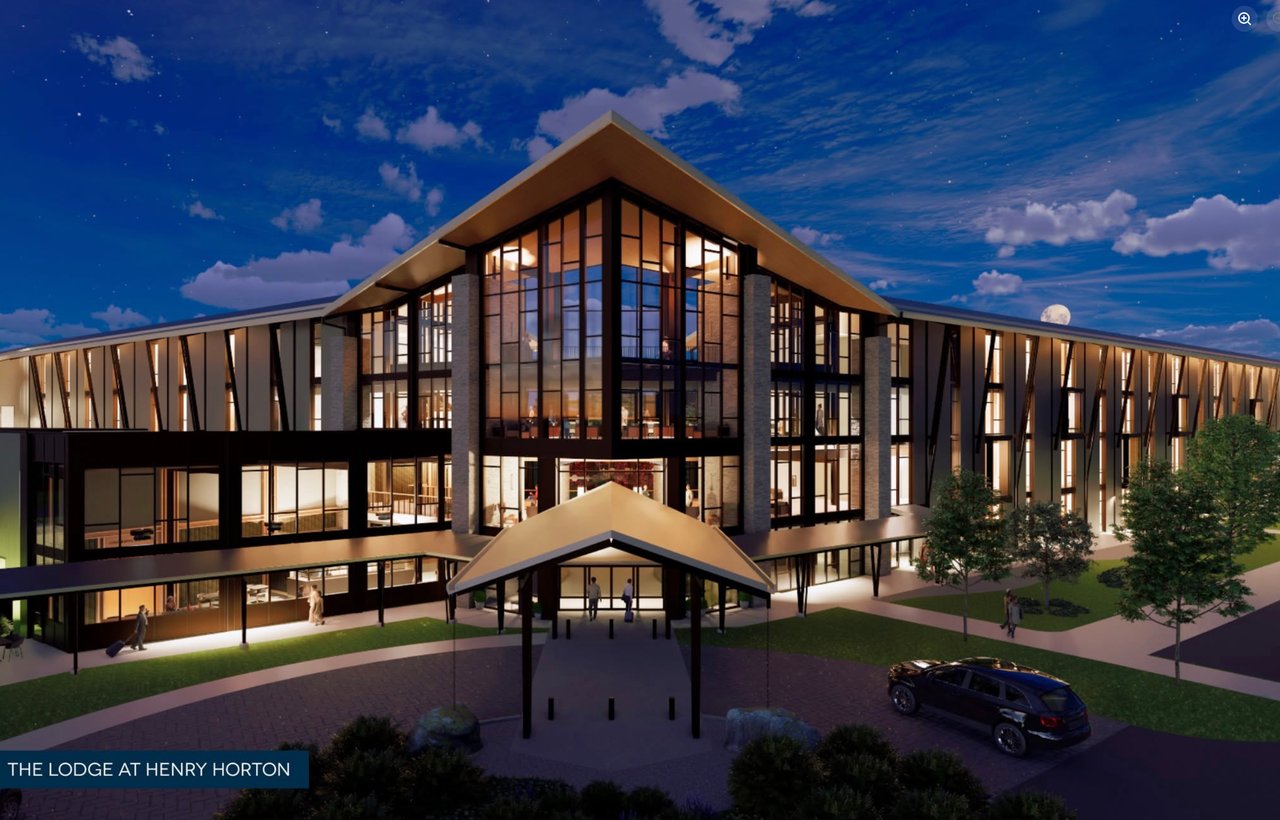
Drive past the entrance to Henry Horton State Park this month and you will see dirt being moved, new large structures, fencing, rerouted gravel, and signage pointing you toward a detour you didn't need last year. It looks like the park is closing. It isn't. What's happening behind that fence is a rebuild of an amazing and beautiful lodge complex. The gap between what the construction signals and what it actually touches is wide enough that most of the town's weekend routine has kept going without much interruption at all.
That gap is worth understanding, because it explains a common concern about the park this season: the assumption that the 1,552-acre property along the Duck River is somehow diminished right now. It isn't diminished. It's mid-transition, with a narrow slice of it torn up and the rest of it running exactly as it did last summer.
The Fence Is Around a Lodge, Not the Park
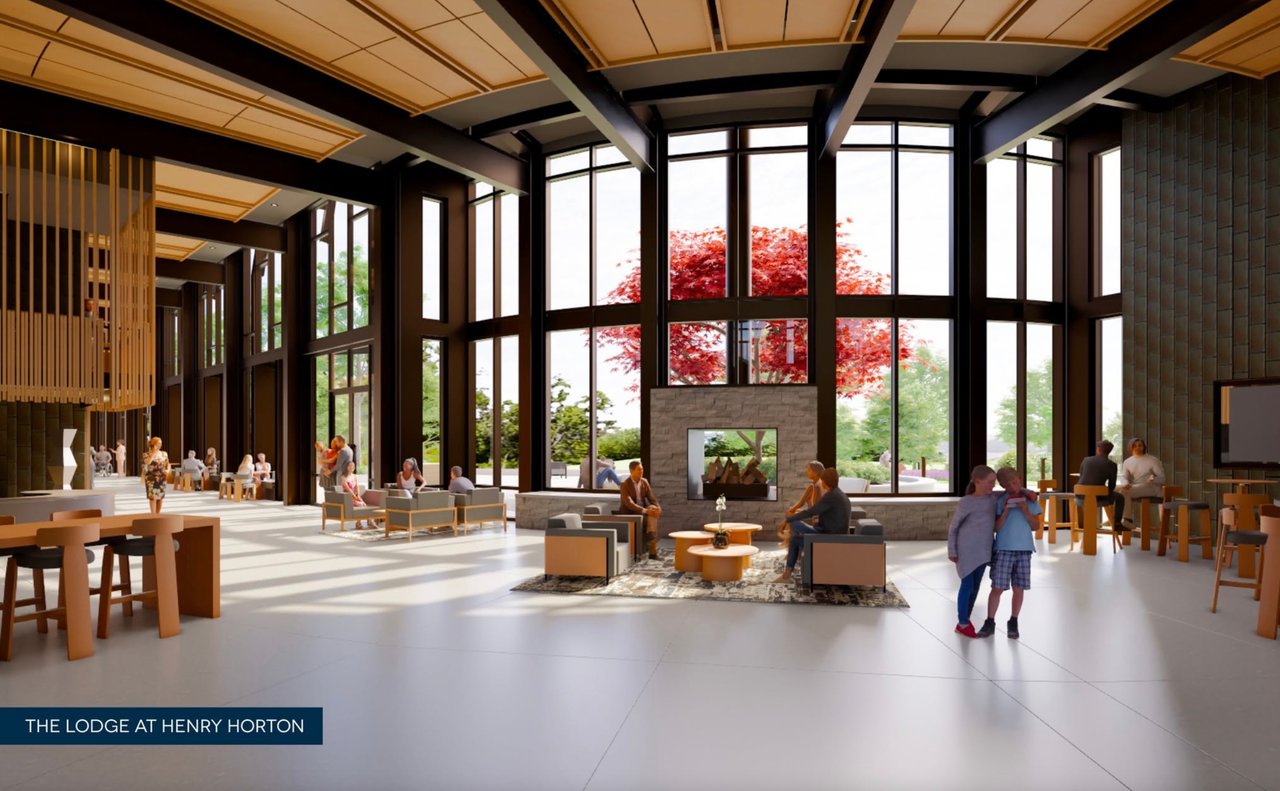
Tennessee State Parks announced plans for a new 76-room lodge at Henry Horton, a project state officials described as an investment made possible through Governor Bill Lee and the General Assembly. The scope includes a new lodge, an updated park entrance, accessibility improvements throughout the property, and better access points along the Duck River. The plan also calls for demolishing the current lodge, the former restaurant building, and the existing swimming pool once the new lodge is ready to open, which is why the existing lodge has stayed operational through the early phases of construction rather than closing outright.
Architecture firm EOA Architects has been working under the project's working title, Big Sky Lodge, and their published concept describes 76 guest rooms with views of the park's native grasslands and the Duck River, a northern porch built as a gathering space, and a pool designed around the shape of the river itself. As of late February 2026, project tracking listed construction as underway, with subcontractors already let. The park's own website currently warns visitors about modified traffic flow, temporary road closures near the lodge and visitor center, construction fencing around the active work zones, and periods of loud equipment noise, which lines up with what you'll notice if you drive through the day-use area right now.
None of that is small. The new areas can accommodate over 300 plus patrons. A new 76-room lodge with a rebuilt pool and restaurant is a meaningful addition to a town of under two thousand people, and it says something about how the state views the long-term draw of this park. But it's also worth being precise about what's actually disrupted this year, because the disruption is contained to the lodge footprint. It hasn't touched the parts of the park most locals actually use on a given Saturday.
What's Still Running Exactly as It Was
The recreational core of Henry Horton, the reason it functions as Chapel Hill's de facto backyard, sits outside the construction zone entirely.
- The park's 18-hole disc golf course, free to the public and consistently rated among the better courses in the state, is open with its usual level terrain and defined fairways.
- The Buford Ellington Championship Golf Course, dedicated by Dolly Parton and Porter Wagoner, was the first stop on the Tennessee Golf Trail when it opened in the early 1960s, according to Midwesterngolf, and remains a true hidden gem among golf courses across middle Tennessee! Midwesterngolf reported that the course's conditioning was the best seen there in two decades after a spring 2026 round. The course is long and stretches 7,060 yards from the championship tees and 5,625 from the forward tees, with greens resodded in Champion Ultradwarf Bermuda that have matured into fast, true putting surfaces.
- Wilhoite Mill Trail still leads hikers past the remnants of a mill and bridge once operated by the family of Governor Horton's spouse, a piece of the property's history that predates the state park itself.
- The Hickory Trail remains open for shorter hikes, and weekly guided kayak floats down the Duck River continue through the summer months, running about two hours and open to most experience levels.
- The trap and skeet range is unaffected, as is the disc golf and hiking access most locals rely on for an evening walk after work.
If your routine at Henry Horton has never involved the lodge, the restaurant, or the old pool, you would have almost no reason to notice construction is happening at all beyond the detour signs near the entrance.
Where the Post-Round Stop Has Moved
The one place the construction does show up in daily life is food. With the old restaurant building slated for demolition as part of the lodge rebuild, the park's dine-in option inside the property has been in flux, and that's pushed a lot of regulars a few miles down the road instead.
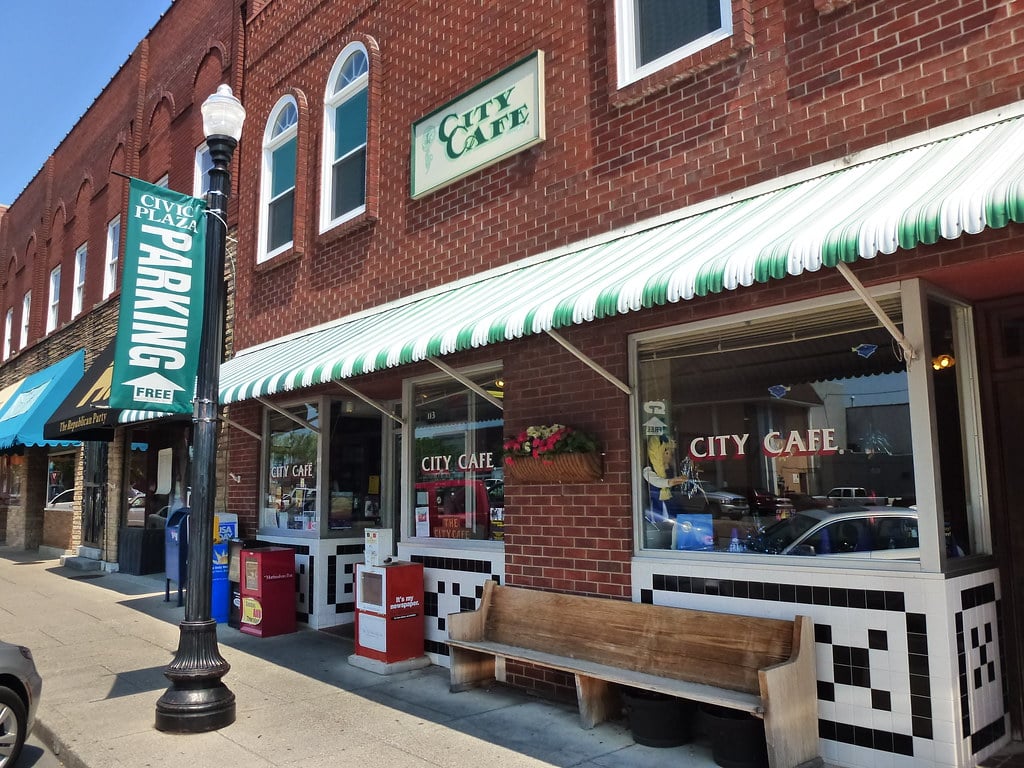
Country Diner has become the default answer. A Midwesterngolf report recommended Country Diner after a recent round, praising its homestyle meals and reasonable prices. It's not a new discovery for anyone who has lived in Chapel Hill for a while, but it's doing more of the after-golf, after-hike, after-kayak-float work than it used to, simply because the option that used to live inside the park isn't there at the moment.
The Fence Is a Signal About the Future, Not a Warning About This Weekend
Here's what the construction fencing means for the park this year: the state doesn't put a 76-room lodge, a rebuilt pool, and a new park entrance behind a project unless it expects Henry Horton to matter more, not less, in the years ahead. The disruption locals are seeing this year is the cost of that investment, and it's a cost that's landing almost entirely on the lodge footprint rather than the trails, the courses, or the river access most people actually use.
If you tee off at Buford Ellington, throw a round of disc golf, walk Wilhoite Mill Trail, or book a Duck River float this month, your plans don't need to change. If you were planning to grab dinner at the park's restaurant, you'll want Country Diner in your rotation instead, at least until the new lodge and its dining space are ready to open. Beyond that, the park is doing what it's always done for this town: giving Chapel Hill a working outdoor space a few minutes from home, currently with a little more construction dust than usual and a lodge on the way that will likely be worth the wait.
Living in a town this size means watching projects like this unfold in real time, road closure by road closure, and knowing which parts of daily life actually shift when they do. That's the kind of local read Ben Craig brings to every conversation about Chapel Hill and the towns around it, whether the topic is a state park rebuild or what a piece of land down the road is actually worth. If you're weighing a move in this part of Southern Middle Tennessee, or just want a conversation with someone who knows the town beyond the listing sheet, reach out anytime.