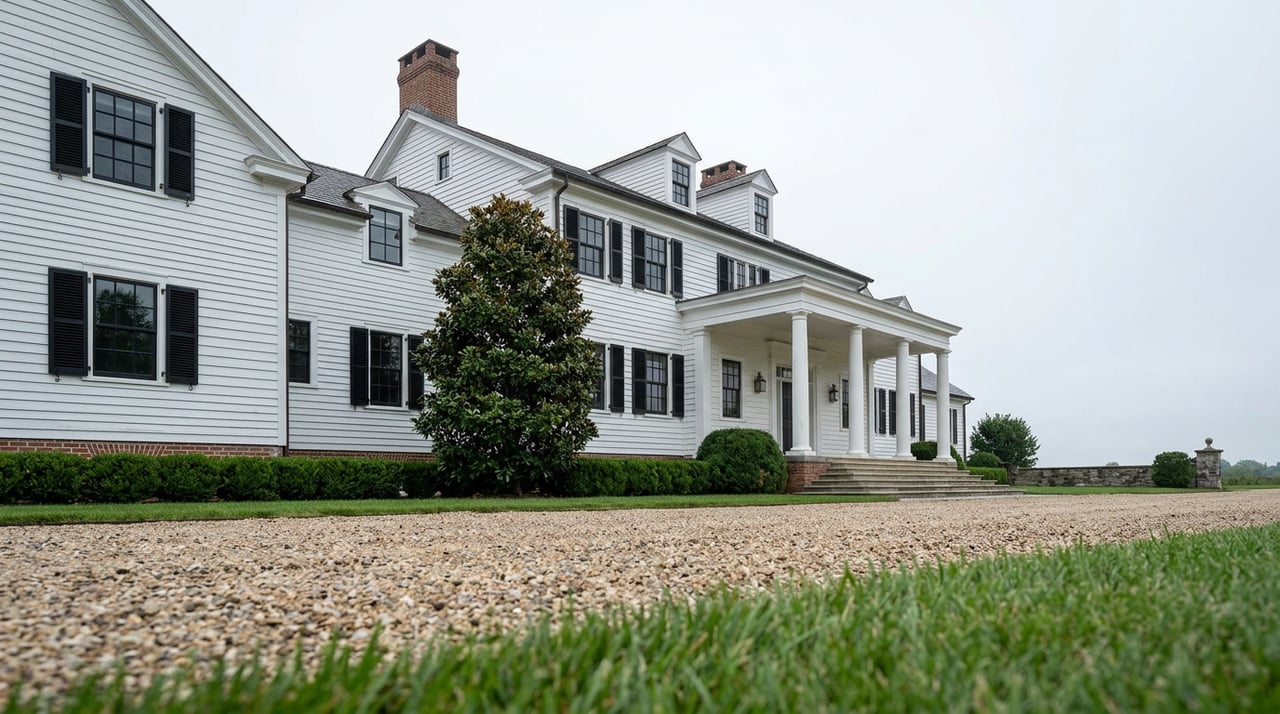
Selling an inherited property can feel overwhelming, especially when that property is a house with acreage or a family farm in Shelbyville. You may be juggling paperwork, family decisions, court steps, and questions about the best way to sell, all while trying to protect the value of the property. This guide walks you through the key issues to check first, the local offices involved in Bedford County, and how to choose the right sale path for your situation. Let’s dive in.
Start With Authority to Sell
One of the first questions is simple but critical: who actually has the right to sign and sell the property? In Tennessee, inherited real estate often transfers at death to heirs or named beneficiaries unless a will directs otherwise.
That does not always mean a sale can move forward without review. The estate’s personal representative generally handles personal property first, but real property can come into play if needed to pay administration expenses, taxes, funeral expenses, or other debts.
In Bedford County, probate matters are handled through the Chancery & Probate Court and Clerk & Master. That office issues letters of administration or letters testamentary and handles probate proceedings, so it is the local place to confirm estate authority.
If you are assuming a small-estate filing will cover a home or farm sale, be careful. Tennessee’s current small-estate process generally applies to personal property only, not real estate, and limited letters do not authorize a personal representative to handle the decedent’s real property.
Know What Can Affect Timing
Many inherited sales take longer than families expect, and the reason is often process, not buyer demand. In Tennessee, notice to creditors is required within 30 days after letters are issued, and estate administration can affect when a sale can close cleanly.
Taxes can also create confusion, but one point is straightforward. Tennessee repealed its inheritance tax for dates of death in 2016 and later.
That said, inherited property may still raise basis questions for income tax purposes. Because inherited property is generally based on fair market value at the decedent’s death, it is often smart to have a CPA review the tax side before you list or accept an offer.
Check Bedford County Records Early
Before you think about price or marketing, build a clean file for the property. That step can save time, reduce title surprises, and help everyone understand exactly what is being sold.
For Shelbyville properties, the Bedford County Clerk & Master office is the starting point for probate forms, letters, and estate claims. For deed history and recorded documents, the Bedford County Register of Deeds is the office that records and preserves ownership, liens, and related instruments.
For valuation, ownership records, mapping, and greenbelt appraisal questions, the Bedford County Property Assessor is the office to contact. The county site lists the Clerk & Master office at 108 Northcreek Drive, Suite 155, and the Property Assessor at 100 West Side Square, Suite 301.
Documents to Gather Before Listing
A practical pre-listing file usually includes:
- The deed or legal description
- The will, if there is one
- Letters testamentary or letters of administration, if required
- Death certificate
- Mortgage payoff information
- Property tax bills
- Surveys or plats
- Easements or access agreements
- Farm leases or occupancy agreements
These records help confirm who can sign, what encumbrances affect the property, and whether there are access or boundary issues that buyers will want answered early.
Inherited Farms Need Extra Review
A farm sale is rarely just a larger version of a house sale. Acreage can come with different tax treatment, access questions, occupancy issues, and due diligence items that matter to both pricing and marketing.
In Tennessee, property tax classification is tied to use. Residential and farm property are both assessed at 25% of appraised value, while county and municipal governments set the tax rates.
For Bedford County properties, it is also important to check whether the land is enrolled in greenbelt. The state Comptroller explains that greenbelt land is valued based on present use rather than highest and best use, and a change in land use can trigger rollback assessments.
That means you should verify more than just acreage. You should also confirm whether any part of the property is leased, whether someone occupies the land or home, whether there are shared drives or access easements, and whether boundaries have been recently surveyed.
Farm Issues to Review Before Marketing
If you inherited a farm or large tract near Shelbyville, review these items early:
- Greenbelt status
- Current use of the land
- Any crop, pasture, or tenant lease
- Shared entrances or access easements
- Boundary lines and survey history
- Outbuildings and their condition
- Whether the property is better marketed as one tract or in parts
This is where local experience matters. A property with road frontage, multiple fields, or special access features may need a different sale strategy than a standard residential listing.
Choose the Right Sale Method
Once authority, title questions, and property details are clearer, the next step is choosing how to sell. For inherited homes and farms in Shelbyville, the two most common paths are a traditional listing or an auction.
Neither method is automatically better. The right fit depends on the property, the family’s timeline, the likely buyer pool, and how much uncertainty you want to reduce.
When a Traditional Listing Makes Sense
A traditional listing is often the better option when you want broad market exposure and have time to prepare the property. It can also be a strong fit when the home or land will appeal to a wide range of buyers and the goal is to let the market respond over time.
This path can give you more flexibility with showing schedules, pricing adjustments, and negotiations. For many inherited homes in town or on standard lots, that broader exposure may be the most practical route.
When an Auction May Be the Better Fit
An auction can be especially useful when you want a defined sale date and a faster resolution. The National Association of Realtors describes auction as an accelerated marketing process that can work for single-family homes, vacant land, commercial property, and specialized assets.
For estate situations, the advantages can be meaningful. Auction may reduce carrying costs, create a clear timeline, and concentrate buyer attention into a single event.
It can be especially relevant if the property is unique, hard to appraise, or part of an estate where heirs want a more structured process. That can be true for farms, large acreage, or properties with features that make pricing less obvious.
How to Decide Between MLS and Auction
A simple way to frame the decision is to ask:
- Do you need a fixed timeline?
- Is the property unusual or difficult to value?
- Will the buyer pool be broad or specialized?
- Does the family want a traditional negotiation or competitive bidding?
- Are carrying costs creating pressure to sell efficiently?
Because Ben Craig works as both a listing agent and licensed auctioneer, sellers in Shelbyville can compare both options without having to choose a one-size-fits-all approach. That flexibility can be especially helpful when inherited property includes acreage, farm improvements, or estate-related timing needs.
Build the Right Support Team
Selling inherited real estate is easier when each part of the process has the right professional handling it. The goal is not to make the process more complicated. The goal is to avoid delays and protect the transaction from preventable problems.
A strong team often includes:
- A probate attorney to confirm authority and resolve estate issues
- A CPA to review basis and tax questions
- A title or closing professional to verify recordable ownership and prepare the deed
- An agent or auctioneer to compare sale formats, market the property, and manage the timeline
In Bedford County, that team works alongside the local public offices involved in probate, deed records, and property assessment. When those pieces are coordinated early, the sale process is usually much smoother.
A Simple Shelbyville Heir Checklist
If you want a practical starting point, begin here:
- Confirm who has authority to sign.
- Gather the deed, will, court letters, death certificate, mortgage payoff, tax bills, survey, and any leases.
- Check deed history, liens, access, boundary questions, and greenbelt status.
- Decide whether the property fits MLS exposure, auction marketing, or a hybrid plan.
- Have probate and title questions reviewed before accepting an offer.
These steps can help you move from uncertainty to a clear plan. They also make it easier to price the property realistically and explain it accurately to buyers.
Selling With Less Stress
An inherited home or farm often carries both financial value and family history. That is why the best sales process is usually the one that balances legal clarity, smart preparation, and the right marketing strategy for the property.
In Shelbyville and across Bedford County, that may mean a traditional listing, an auction, or a plan shaped around the land itself. When you start with authority, records, and a realistic understanding of the property’s tax and title issues, you put yourself in a much stronger position to sell with confidence.
If you are sorting through an inherited house, farm, or acreage in Shelbyville, Ben Craig can help you compare your options, prepare the property for market, and build a sale plan that fits your timeline.
FAQs
What gives you authority to sell an inherited home in Shelbyville?
- In Tennessee, real property often vests at death in heirs or named beneficiaries unless a will directs otherwise, but you should confirm who has authority to sign through the Bedford County Chancery & Probate Court and Clerk & Master, especially if probate has been opened.
Can you use a small-estate process to sell inherited real estate in Bedford County?
- Usually no. Tennessee’s small-estate process generally applies to personal property only and does not authorize handling the decedent’s real estate.
Which Bedford County office should you check for probate documents?
- The Bedford County Clerk & Master office through the Chancery & Probate Court is the local starting point for probate forms, letters, claims, and estate administration.
Which Bedford County office should you check for deed history on inherited property?
- The Bedford County Register of Deeds is the office to review for recorded ownership documents, liens, and other instruments affecting title.
What should you review before selling an inherited farm in Shelbyville?
- Review greenbelt status, leases, occupancy, access easements, shared drives, boundary lines, surveys, tax bills, and any recorded documents that affect the acreage.
Does Tennessee charge inheritance tax on inherited property sales?
- Tennessee repealed its inheritance tax for dates of death in 2016 and later, but inherited property can still raise income-tax basis questions, so a CPA review may be helpful before the sale.
Is auction a good option for an inherited farm in Bedford County?
- It can be. Auction may be a strong fit when the property is unique, time-sensitive, difficult to value, or when heirs want a defined sale date and a more structured process.
When is a traditional listing better for inherited property in Shelbyville?
- A traditional listing is often the better fit when the property appeals to a broad group of buyers and you have time to prepare and market it widely.