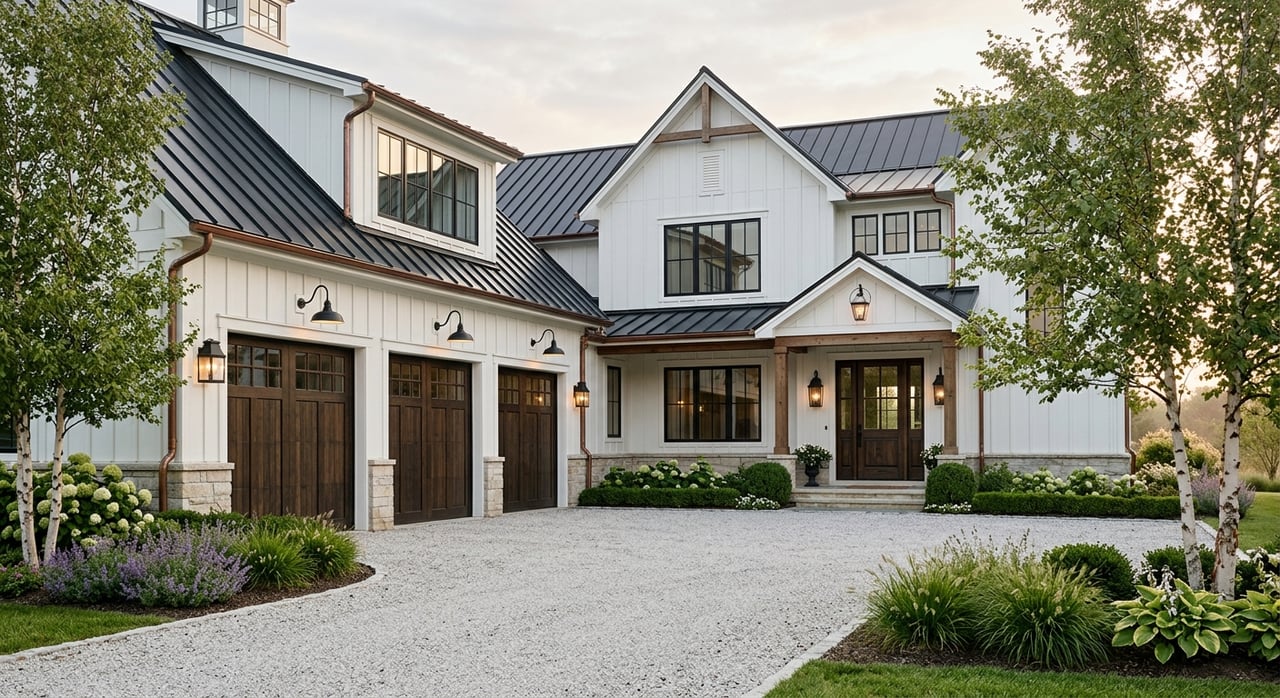
If you work in the Nashville direction, Murfreesboro can feel like a practical middle ground between daily access and everyday livability. You want a home that supports your routine, not one that turns every morning into a guessing game. This guide will help you understand how the commute works, what housing options fit different lifestyles, and what daily life in Murfreesboro looks like beyond the drive. Let’s dive in.
Murfreesboro Is a True Commuter City
Murfreesboro is not a small outpost on the edge of the region. It is a large, growing city in Rutherford County with an estimated 171,178 residents in 2025, while Rutherford County is estimated at 386,352 residents. Since 2020, those estimates reflect growth of 12.0% for Murfreesboro and 13.1% for the county.
That growth matters if you are thinking about commuting toward Nashville. It helps explain why roads stay active, why housing choices vary by area, and why many buyers see Murfreesboro as a place where daily driving is part of normal life. The city also has 60,683 households and a 52.4% owner-occupied housing rate, which reinforces that this is a substantial residential market, not just a pass-through location.
Commute times also support that picture. The Census Bureau reports a mean travel time to work of 26.7 minutes for Murfreesboro and 28.1 minutes for Rutherford County. That does not mean every Nashville-bound trip is short, but it does show that commuting is built into how the area functions.
Nashville Commute Basics
I-24 Drives the Pattern
If you are commuting toward Nashville, I-24 is the main corridor to know. Murfreesboro’s roadway system is anchored by I-24, with access to I-840 and major routes including US-231, US-41/70S, and SR-96. Those roads shape how you move through the city and how quickly you can connect to the interstate.
The main challenge is volume. Murfreesboro’s May 2026 roadway briefing notes that I-24 exceeds 100,000 average annual daily trips near major interchanges. The same briefing identifies Memorial Boulevard, Broad Street, and Old Fort Parkway as heavy peak-hour congestion areas.
Timing Matters as Much as Distance
One of the biggest mistakes buyers make is assuming a home closer to the interstate automatically solves the commute. Proximity helps, but it does not remove corridor congestion. TDOT’s January 2026 environmental assessment for the I-24 Southeast Choice Lanes project states that congestion continues on the corridor despite earlier improvements and is expected to worsen with population and job growth.
In practical terms, your departure time can matter just as much as your address. Two homes with similar map distance to Nashville can feel very different depending on how quickly you reach I-24, how you move through local traffic, and when you leave in the morning.
Local Routes Still Shape Your Day
Your commute begins before you reach the interstate. In Murfreesboro, that first segment often determines whether your routine feels manageable or frustrating. Access to roads like US-231, US-41/70S, SR-96, and I-840 can make a real difference depending on where you live.
The city is also planning for long-term traffic flow. In May 2026, Murfreesboro advanced the Stonesbattle Parkway Corridor Plan to create a major east-west connection and reduce pressure on roads such as Memorial Boulevard, Old Fort Parkway, and Medical Center Parkway. That tells you the city is actively trying to spread traffic demand as growth continues.
What This Means for Home Search Strategy
Focus on Your Full Route
When you look at homes in Murfreesboro, it helps to think beyond simple mileage. A property that seems convenient on paper may still require a slow cross-town drive before you ever reach your Nashville route. On the other hand, a home slightly farther out may offer a smoother path to the roads you use most.
A smart search usually starts with your real weekday routine. Think about where you work, what time you leave, whether your schedule is fixed, and how often you need to make the trip. That gives you a better framework for comparing locations than distance alone.
Match Housing Type to Commute Style
Murfreesboro offers a broad mix of housing, but the city’s housing stock is still weighted toward single-family living. According to the city’s consolidated plan, 54% of residential properties are detached single-family homes, 9% are attached single-family homes, 7% are in 2 to 4 unit buildings, 20% are in 5 to 19 unit buildings, and 8% are in 20-plus unit properties.
That mix gives commuter buyers several realistic paths. If you want lower exterior maintenance and easier in-and-out access to busier corridors, attached housing may be a strong fit. If you want more space and a more traditional neighborhood setting, detached homes in established areas may make more sense.
Think in Three Broad Categories
For many buyers, Murfreesboro can be viewed through three broad housing choices:
- Townhomes or other attached housing near higher-traffic corridors
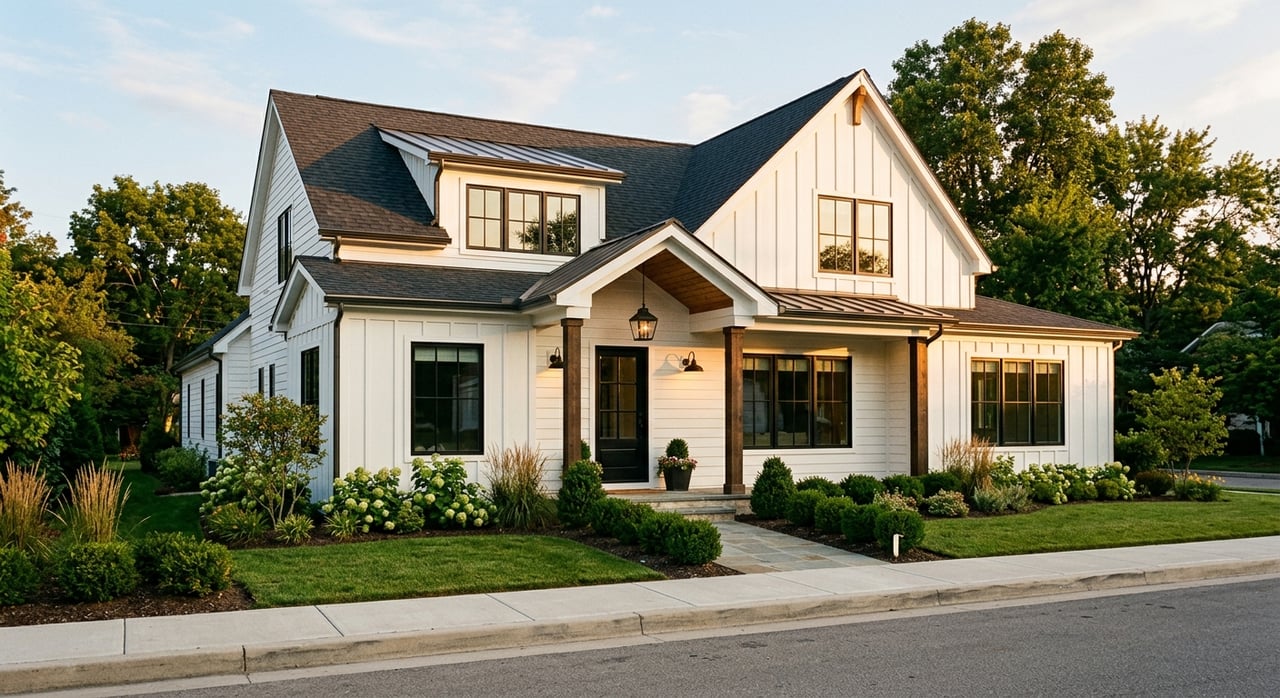
- Detached homes in established neighborhoods
- Larger-lot or estate-style properties at the edge of town
These categories line up with the city’s own land-use and housing guidance. Murfreesboro defines townhomes as multi-dwelling units with three or more attached units that may be rented or sold individually, which makes them a practical option for buyers seeking less maintenance and easier access patterns.
The city’s 2023 Future Land Use update also helps explain edge-of-town living. It notes that fringe study areas are often agricultural or exurban, may have limited sewer service, and can support large-lot or estate-style development. If you are drawn to more elbow room, that tradeoff may be worth it, but your cross-town drive may become a bigger part of the routine.
How Different Buyers May Approach Murfreesboro
Buyers Wanting Simplicity
If your top priority is a more manageable day-to-day routine, attached housing or smaller detached homes near major routes may deserve a closer look. These properties can make errands, local access, and interstate connections easier to manage. They may also appeal if you prefer less yard upkeep.
This does not mean every townhome or attached home is automatically a better commute choice. It simply means that housing with easier maintenance and stronger route access often fits buyers who want to keep their weekdays streamlined.
Buyers Wanting Established Surroundings
Some buyers are comfortable with a moderate drive through Murfreesboro if it means living in an established neighborhood setting. The city’s planning guidance emphasizes maintaining neighborhood characteristics in established areas, which supports a more rooted community feel. For many households, that balance is worth the added road time.
This option can be especially appealing if your priorities include space, a traditional residential setting, and access to parks or daily amenities. You may spend a little longer getting to the interstate, but gain a setting that feels more settled once you are home.
Buyers Wanting More Land or Privacy
If you are looking toward the edges of Murfreesboro for a larger lot or estate-style property, it helps to go in with clear expectations. These areas can offer a different pace and a more open setting, but they may also involve longer local drives and infrastructure differences such as limited sewer service in some fringe areas.
For buyers who value space first, that can still be a strong fit. The key is to weigh your drive time honestly against the lifestyle you want once the workday ends.
Daily Life Beyond the Commute
Greenways and Parks Add Balance
A good commuter city still needs more than roads. Murfreesboro’s Greenway System includes more than 17 miles of trails, 16 trailheads, and connections among parks, neighborhoods, and businesses. That gives residents ways to stay active and connected without getting in the car for every part of the day.
The parks system also adds real value to daily life. Barfield Crescent Park spans 430 acres in south Murfreesboro, and McKnight Park covers 81 acres in the northern part of the city with Sports*Com, athletic fields, and inclusive play facilities. For many buyers, those amenities help balance the practical demands of commuting.
Downtown Offers a Different Pace
If you want some pockets of a more walkable, human-scale environment, downtown Murfreesboro adds another layer to city life. The Downtown in Motion program promotes measured routes through the downtown business district and historic areas. That supports the idea that Murfreesboro is more than a highway access point.
This matters because your home choice is not only about getting to work. It is also about where you spend weekends, run errands, and unwind after a long day.
Local Transit Helps With In-City Trips
Murfreesboro Transit operates eight routes on weekdays from 6:00 a.m. to 6:00 p.m. and offers limited Saturday service. For most Nashville commuters, this is more relevant for local errands and in-town trips than for the regional work commute.
Still, it can be useful for households with one car, flexible schedules, or lighter local travel needs. It is another reminder that Murfreesboro offers more transportation options than a simple drive-only narrative suggests.
Housing Costs in Context
Murfreesboro’s QuickFacts profile places the median value of owner-occupied housing units at $402,100 for 2020 through 2024. The same source lists median gross rent at $1,481. Those numbers help frame the city as a market with meaningful costs, but still a range of suburban housing choices.
That range matters if you are comparing starter-sized detached homes, townhome-style options, or larger properties farther from the center of town. Your budget will shape your choices, but so will your tolerance for traffic, maintenance, and drive time.
The Bottom Line for Nashville-Bound Buyers
If you are considering living in Murfreesboro and commuting toward Nashville, the clearest takeaway is this: Murfreesboro works best when you shop with your routine in mind. It is a large, growing commuter city with strong regional connections, but it also has real congestion, especially around I-24 and major local corridors.
The good news is that the city offers a mix of housing types and a community life that goes well beyond the drive. Whether you want an easier-maintenance home near key routes, a detached home in an established area, or more space on the edge of town, the right fit usually comes down to balancing your commute with the way you want to live every day.
If you want help weighing commute patterns, property types, and what makes sense for your goals in Middle Tennessee, Ben Craig offers clear, local guidance you can trust.
FAQs
Is Murfreesboro too far for a Nashville commute?
- Murfreesboro’s mean travel time to work is 26.7 minutes, but the I-24 corridor is heavily traveled and congested, so your departure time and route within Murfreesboro can make a big difference.
Which roads matter most for commuting from Murfreesboro toward Nashville?
- I-24 is the main Nashville link, while I-840, US-231, US-41/70S, and SR-96 are important for getting across Murfreesboro and connecting to the interstate.
What housing types are common in Murfreesboro for commuters?
- Practical options include townhomes or attached housing near busier corridors, detached homes in established neighborhoods, and larger-lot or estate-style properties near the edges of town.
Does Murfreesboro offer more than a commuter lifestyle?
- Yes. The city has more than 17 miles of greenway trails, major parks such as Barfield Crescent Park and McKnight Park, downtown walking routes, and local transit for in-city trips.
What should Nashville-bound buyers look at besides map distance?
- You should consider your full route to work, local congestion before reaching I-24, your departure time, the type of home you want, and how much maintenance or drive time fits your daily routine.