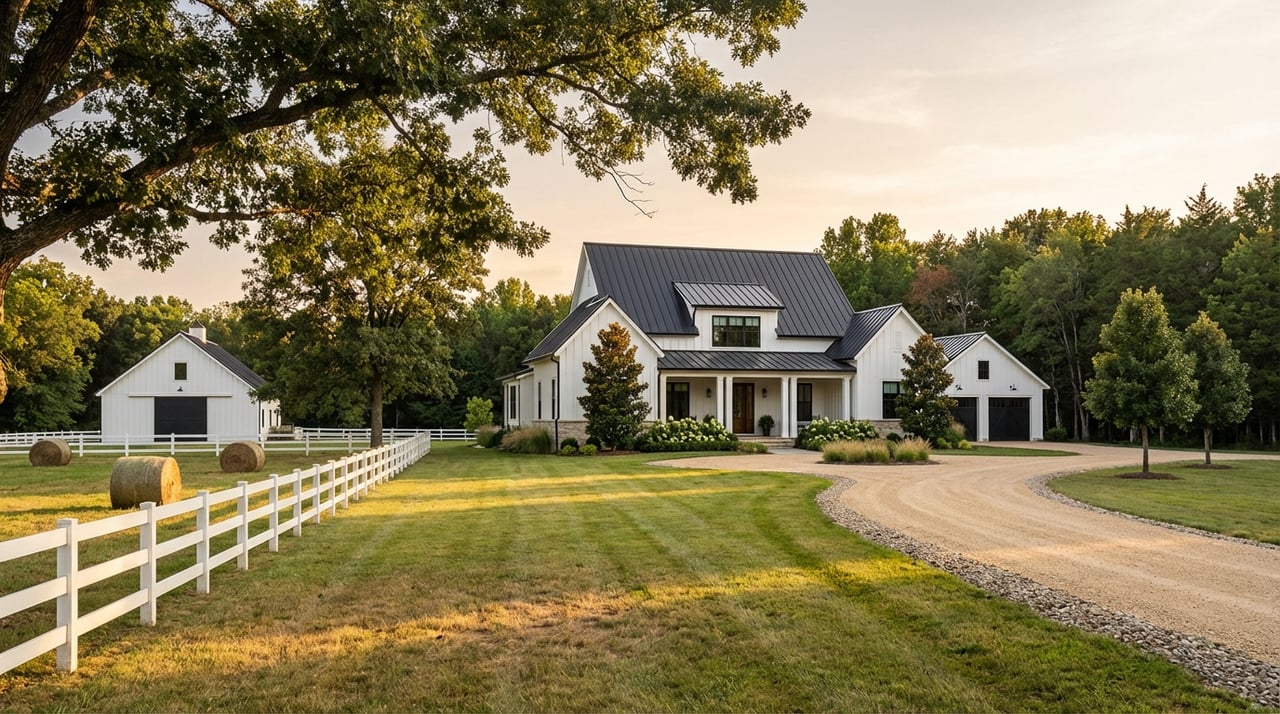
Craving wide‑open space and starry nights without giving up your favorite restaurants, healthcare, and a reasonable drive to work? You’re not alone. Many buyers around Murfreesboro want land, privacy, and room for animals or a garden, but still need fast access to jobs and daily services. In this guide, you’ll learn how country properties near Murfreesboro work, what to check with wells and septic, how commutes and amenities stack up, and how Tennessee’s Greenbelt tax program can help. Let’s dive in.
Why choose country living near Murfreesboro
You get the best of both worlds. Murfreesboro is a major Middle Tennessee hub about 34 miles from downtown Nashville, with steady growth and a large base of jobs, schools, and services. That scale gives you a wider range of homes, small farms, and acreage than many smaller towns, while keeping your daily life practical. If you want room for animals, a bigger workshop, or a few private acres, the rural edges of Rutherford County can make it possible without feeling isolated. You can read about Murfreesboro’s regional role and location in this overview of the city’s growth and geography on Wikipedia.
Common property types you’ll see
Country properties near Murfreesboro vary a lot. Focus on how you plan to use the land, not just total acres.
Hobby farms: 5–20 acres
These are primarily residential properties that can support a few horses, goats, chickens, large gardens, or a small orchard. You’ll often see a mix of open pasture and woods, basic fencing, and maybe a small barn or shed. Buyers choose these for privacy and lifestyle more than production.
Small farms: 20+ acres
These tracts usually include more usable pasture, barns, outbuildings, fenced paddocks, and space for limited commercial activity. If you plan to hay, board horses, or sell produce or eggs in a small way, this tier can make sense. Always verify zoning and any agricultural allowances before you assume a use is permitted.
Equestrian properties
Horse properties often have paddocks, board fencing, arenas, and specialized outbuildings. Check setbacks, livestock allowances, and manure‑management expectations with the county.
Timber or recreational tracts
Wooded parcels may be used for hunting, timber, or future homesites. These raise different questions about access, insurance, and utility feasibility.
How much land do you really need?
Start with your daily plan. If you want a garden, a few chickens, and a little privacy, 5–10 acres can feel generous. If you want pasture for horses or small livestock, 10–20 acres with existing fencing and water access is often the sweet spot. For haying or more structured farm activity, 20–40+ acres offers flexibility.
Budget for improvements, not just acres. Usable acreage, fencing, driveways, water access, and the condition of wells and septic systems have a bigger impact on day‑one livability than the raw parcel size. At a high level, national data shows farm‑real‑estate values rose across 2023–2024, and the Southeast’s averages run higher than many other regions. Local acreage near a growing metro can sell above agricultural‑use averages because of development demand, which is why comparing recent local comps matters. For background on regional farmland trends, see the USDA’s summary of farmland values.
Utilities and site systems to verify
Rural feasibility comes down to a few core items. Confirm these early to avoid surprises.
Septic systems
Many rural homes rely on private septic rather than city sewer. Expect to ask for any available records and order a septic inspection during due diligence. For guidance on permits, capacity, and who regulates what, Rutherford County points buyers to the Tennessee Department of Environment and Conservation (TDEC). Review the county’s septic and TDEC contacts on the county’s septic guidance page.
What to confirm:
- System location and age, tank size, and any repair records.
- Whether a replacement or expansion area exists on the lot.
- Soil and percolation test results if the site has no current system.
Wells and water
If the property uses a private well, ask for the well log and recent water tests. Tennessee requires licensed well drillers, and TDEC’s Division of Water Resources oversees well licensing and standards. Learn more or find a licensed pro on the state’s page for well driller licensing.
What to confirm:
- Well yield (gallons per minute) and recovery.
- Water quality for household and livestock use.
- Typical depths and costs if you plan to drill a new well.
Power, gas, and internet
Electric service in rural Rutherford County is commonly provided by local electric cooperatives. Municipal water, sewer, and natural gas are available in select areas only. Internet varies by road; some semi‑rural neighborhoods have fiber while others rely on cable, fixed wireless, or satellite. Ask providers to confirm serviceability to your exact address before you write an offer.
Roads and access
Identify if your driveway connects to a county‑maintained public road or a private road. Private roads mean owners or an HOA handle maintenance. Deeds and plats show right‑of‑way and responsibilities. You can start your research on the county’s public GIS portal via the Rutherford County GIS search.
Floodplain, drainage, and soils
Look at FEMA flood maps and the county’s stormwater layers to flag any low‑lying or riparian areas. Slopes and soil types can affect where you can place a home or septic field. If the site feels flat but soggy after rain, ask your inspector to pay close attention to drainage and percolation.
Commute and daily services access
City access stays practical for many rural buyers around Murfreesboro. Typical local commutes run around the high‑20‑minute range, but peak‑hour traffic on I‑24 can add time, especially if you head toward Nashville. For a quick overview of Murfreesboro’s location and growth in the region, see the city’s Wikipedia entry.
Major job centers nearby include Middle Tennessee State University, large logistics and manufacturing employers, and regional distribution hubs. You can browse the region’s education and employer landscape on Rutherford Works.
For healthcare, Ascension Saint Thomas Rutherford is the primary full‑service hospital in Murfreesboro, with inpatient and specialty care that many rural buyers want nearby. Explore services on the hospital’s location page.
On the shopping side, Murfreesboro offers several regional retail corridors and centers, which means you can usually handle groceries, home improvement, and specialty errands in town without driving to Nashville.
Taxes and the Tennessee Greenbelt program
Tennessee’s Agricultural, Forest and Open Space Land Act, often called the “Greenbelt” program, can reduce your property tax bill by assessing qualifying land based on its use value rather than full market value. Enrollment rules include minimum acreage and other criteria, and there are rollback taxes if the use changes or the tract is subdivided. Always ask whether a parcel is currently enrolled, request documentation, and verify details with the county assessor. Start with Rutherford County’s Greenbelt guidance at the assessor’s office site: Greenbelt program overview.
Key questions to ask:
- Is the parcel enrolled today, and under which category: agricultural, forest, or open space?
- What happens to my taxes if I build, subdivide, or change the land’s use?
- Are there any rollback liabilities I would inherit at closing?
Smart offer strategy for country properties
Rural deals hinge on feasibility. Protect your budget by front‑loading due diligence.
- Make your offer contingent on septic inspection, well testing, and clear access rights.
- Ask the seller to provide any as‑built septic drawings, well logs, and utility records.
- Verify zoning and permitted uses before you assume livestock, short‑term rentals, or new accessory buildings are allowed. Rutherford County’s Building Codes page outlines common permit needs for homes, barns, and major alterations. Review it here: Rutherford County permits and codes.
- Budget for fencing, driveway improvements, drainage tweaks, or a well pump or pressure tank upgrade. These can matter more than interior cosmetics on day one.
Quick buyer checklist
Use this list to stay organized as you evaluate a home, hobby farm, or small acreage near Murfreesboro.
- Zoning and uses: Confirm permitted uses, minimum lot size, and setbacks with the county planning office. The public mapping portal is a helpful start: Rutherford County GIS search.
- Septic: Order a professional inspection. Check tank size, field location, and reserve area. See county/TDEC contacts on the septic guidance page.
- Water: Request the well log and recent water‑quality results; plan a new test during due diligence. Learn about licensing on the state’s well driller page.
- Access: Confirm whether roads are public or private and who maintains them. Check deeded easements.
- Floodplain and soils: Review FEMA and county layers for drainage and slope impacts.
- Utilities: Ask power, gas, and internet providers to confirm service to the exact address.
- Greenbelt: If enrolled, get the paperwork and verify rollback exposure with the assessor. Start with the county Greenbelt overview.
- Schools: If school zoning matters to you, confirm the current attendance zone directly with the district.
- Financing: Check with your lender about loans for properties with wells and septic. Ask if USDA rural loans apply.
Work with Ben Craig
Buying country property is different from buying a home in town. You need clear answers on wells, septic, fencing, soils, and taxes, plus a plan for commute and services. As a multigenerational Middle Tennessee real estate professional and licensed auctioneer, Ben brings deep experience with land, farms, and large acreage. He pairs local relationships with modern marketing and knows how to navigate due diligence so you can buy with confidence.
Whether you want a 10–20 acre hobby farm or a larger working tract, Ben can help you compare parcels, line up inspections, and coordinate with county offices to confirm what the land will support. If you’re also selling, he offers flexible paths, including traditional MLS marketing or a transparent auction, to meet your timeline.
Ready to explore country living with city access near Murfreesboro? Connect with Ben Craig for a friendly, no‑pressure consultation.
FAQs
What makes Murfreesboro good for country living with city access?
- Murfreesboro is a major Middle Tennessee hub with jobs, healthcare, and shopping in town, plus rural edges that offer acreage and privacy within a practical drive. See the city’s Wikipedia overview for regional context.
How long is a typical commute from rural Rutherford County?
- Many local commutes land around the high‑20‑minute range, but peak traffic on I‑24 can add time, especially toward Nashville. Your exact address and work location will drive the real number.
What are the most common deal breakers on rural properties?
- Septic capacity or soils that won’t perk, weak well yield or poor water quality, unclear road access, floodplain limits, or zoning that does not allow your intended use. Verify these early.
How do I check if a property qualifies for the Greenbelt tax program?
- Ask the seller for current enrollment documents, then confirm details and any rollback exposure with the Rutherford County assessor. Start with the county’s Greenbelt overview.
Who regulates wells and septic in Tennessee?
- TDEC oversees well licensing and standards, and the county references TDEC for septic guidance. Use the state’s well driller page and the county’s septic guidance page to get started.
What daily services can I expect without driving to Nashville?
- Murfreesboro covers most needs, including grocery, home improvement, and specialty retail, plus full‑service care at Ascension Saint Thomas Rutherford. Explore the hospital’s location page for services.